






A common observation in boardrooms today sounds almost like a complaint:
“Gen Z certainly don’t search — they scroll.”
At first glance, it reads like generational frustration. But for large consumer brands, that shift is either a warning or an opportunity.
Across categories, smaller and newer brands are outperforming legacy incumbents that once dominated shelves for decades.
The question is whether this is a generational rebellion — or a structural transformation in how brands are built.
The Strategy Behind the Rise
A growing number of startups are not challenging market leaders directly.
Instead, they are:
- Targeting younger consumers first
- Winning attention through social platforms
- Leveraging algorithm-based distribution
- Building community-driven visibility
Once they gain traction with Gen Z, momentum spreads outward.
Examples appear across industries:



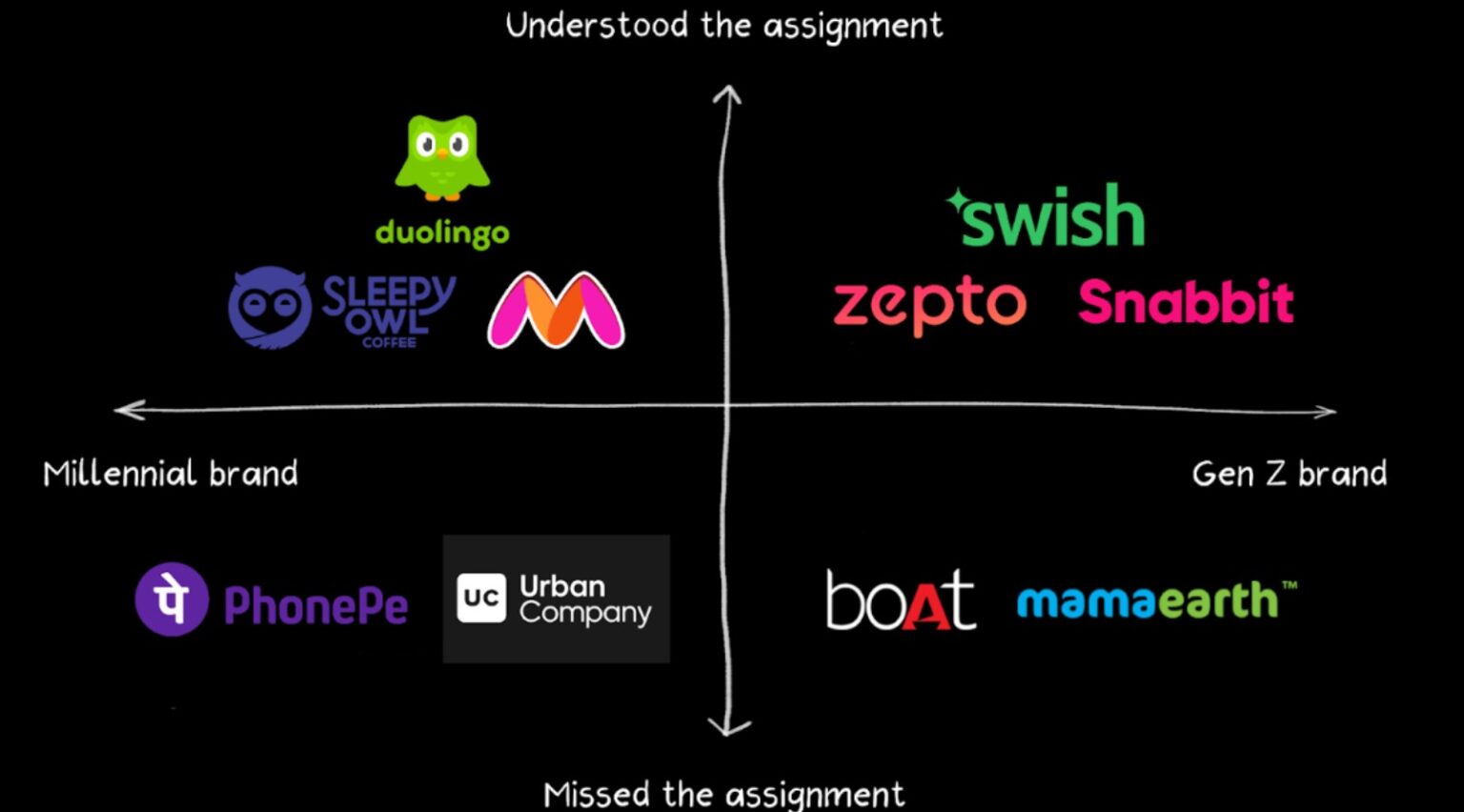
- Quick-commerce startups competing with established delivery giants
- Value fashion brands expanding against global labels
- Niche personal care brands replacing mass-market staples
The tactic is not mass-market domination.
It is selective entry.
The Concept: Losing the Algorithm
Industry strategists describe this shift as moving from retail dominance to algorithm dominance.
Traditionally, distribution strength meant:
- Shelf space in supermarkets
- Mall visibility
- Physical retail penetration
Today, visibility depends on:
- Feed placement
- Search ranking
- Social media discovery
- Influencer amplification
As one industry investor explains, distribution excellence has moved from physical presence to algorithmic relevance.
Brands that understand how recommendation systems work gain exposure without massive advertising budgets.
Brands that fail to adapt become invisible — even if they once controlled entire categories.
A Personal Example: The Bathroom Shelf Test
Legacy brands like Dove, Sunsilk, and Clinic Plus were once default choices for millions of households.
They built trust through:
- Mass advertising
- Celebrity endorsements
- Retail penetration
But younger consumers now often discover alternatives first.
Specialised brands offering:
- Curly-hair focused formulas
- Sulphate-free products
- Ingredient transparency
- Community-driven marketing
… appear directly in digital feeds.
They feel personal. They feel authentic. And they feel closer to identity.
The shift is not necessarily about rejecting old brands.
It is about discovering new ones faster.
Is This Really About Gen Z?
Some experts argue the change is overstated as generational.
The gap between millennials and Gen Z may not be cultural — it may simply reflect evolving digital behaviour.
The key difference is information access.
Earlier consumers relied heavily on:
- Advertisements
- Celebrity credibility
- Limited peer comparison
Today consumers access:
- Reviews
- Ingredient transparency
- Peer validation
- Real-time comparisons
That transparency reduces brand manipulation over time.
Products that quietly changed formulas or cut costs without disclosure now face scrutiny.
The Sideward Shift
A powerful idea emerging from modern brand strategy is what some call the “sideward shift.”
Instead of looking upward to authority figures for validation, younger consumers look sideways:
- Friends
- Creators
- Micro-influencers
- Online communities
Brand trust now often flows horizontally rather than vertically.
This makes celebrity endorsements weaker unless supported by genuine product credibility.
Case Studies Across Categories
The same dynamic appears in multiple sectors:
- Quick commerce platforms challenging traditional grocery logistics
- Direct-to-consumer fashion brands competing with global giants
- Niche beauty brands replacing mass-market dominance
Startups often win by focusing on:
- Speed
- Personalisation
- Content marketing
- Community engagement
They do not try to match legacy scale.
They leverage digital leverage.
The Investment Perspective
From an investor standpoint, the opportunity lies in identifying:
- Brands that understand platform algorithms
- Companies that build direct consumer relationships
- Businesses that treat social discovery as infrastructure
Legacy firms that adapt quickly can also benefit.
Some large brands are now investing heavily in:
- Creator partnerships
- Data analytics
- Digital-first marketing
They are trying to reclaim algorithm visibility.
The Core Insight
Is Gen Z the spearhead?
Yes — because they adopt new brands first.
But they can also become a shield.
Brands that build loyalty through authenticity and digital engagement with younger consumers often create durable competitive advantage.
The real shift is not age-based.
It is distribution-based.
The Bottom Line
Smaller brands are not beating giants because they are smaller.
They are winning because they understand how attention flows in the algorithm era.
And attention — not shelf space — is now the primary battleground.