





The United States is facing a striking contradiction in its meat industry. Consumers are paying record prices for beef, yet producers are struggling with shrinking margins, and workers are taking to the streets.
This unusual situation has created what analysts are calling a “beef market short-circuit,” where rising costs are impacting every level of the supply chain.
Prices Surge as Cattle Supply Hits Historic Low
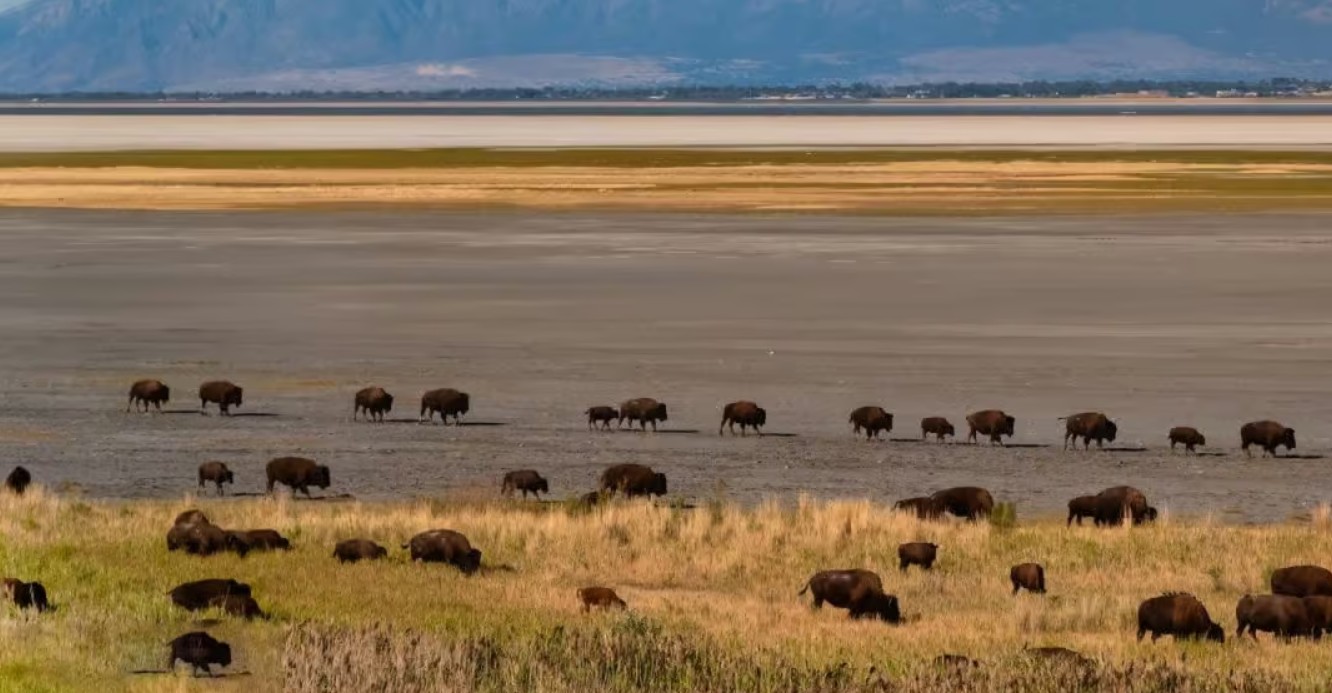
Beef prices across the US have surged sharply, driven largely by a severe shortage of cattle. Livestock numbers have dropped to their lowest level in more than 75 years, with prolonged drought conditions playing a major role.
Data indicates that:
- Burger prices increased by around 14 percent between January 2023 and January 2026
- Beef production costs jumped by approximately 32 percent during the same period
Despite these increases, consumer demand for meat remains strong, putting further pressure on supply.
Why Producers Aren’t Benefiting
In theory, higher prices should boost profits. However, meat processing companies are facing a different reality.
The cost of acquiring cattle for slaughter has reached record levels, significantly cutting into margins. Some companies have even been forced to scale back operations or temporarily shut down facilities due to insufficient supply.
This imbalance means that while retail prices rise, profitability does not necessarily follow.



Workers Feel the Pressure
The strain is being felt most sharply by workers in the industry.
Rising inflation has eroded wages, making everyday expenses — including meat itself — increasingly difficult to afford. Workers argue that despite higher prices in the market, their earnings have not kept pace.
Strike at Major US Beef Plant
Tensions escalated when approximately 3,800 workers at a major beef processing facility in Greeley, Colorado, announced a strike beginning March 16.
The plant is operated by JBS, one of the largest meat processing companies in the world.
Workers are demanding:
- Wage increases aligned with inflation
- An end to charges for replacement protective equipment
The company has offered a new contract but has indicated it does not plan to revise its terms.
Industry Braces for Continued Disruption
To manage the strike, the company is preparing to shift production to other facilities. However, broader challenges in the beef market remain unresolved.
According to forecasts:
- US beef production is expected to decline by about 4 percent this year
- A further 2 percent drop is projected in 2026
Rebuilding cattle populations will take time, while import limits restrict how much supply can be supplemented from abroad.
A Problem Without a Quick Fix
The US meat industry is caught in a complex cycle. Limited supply, rising costs, and strong demand are pushing prices higher, but not necessarily improving profitability or wages.
Until cattle numbers recover and cost pressures ease, this imbalance is likely to continue — leaving consumers paying more, companies under strain, and workers demanding change.