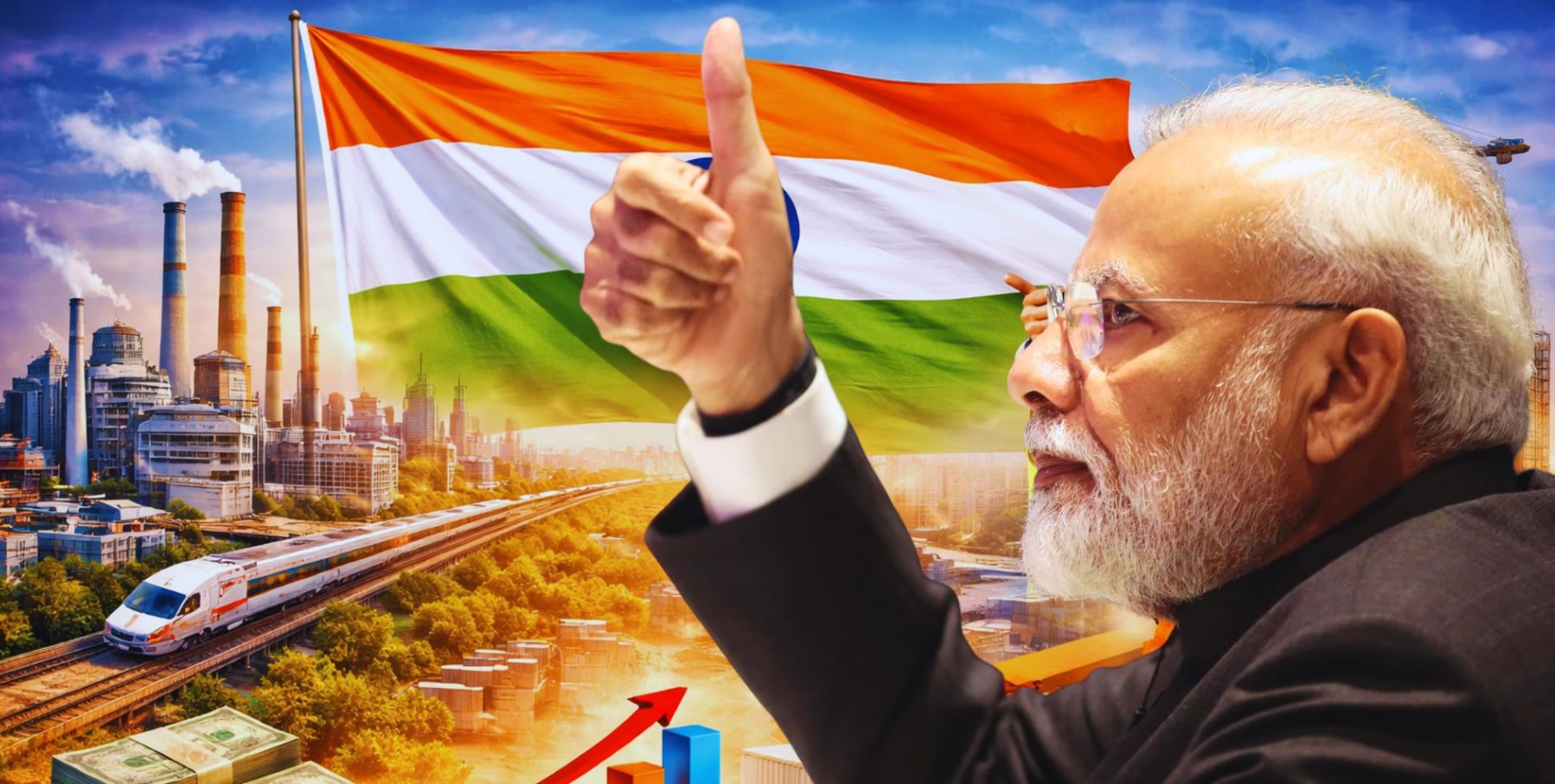





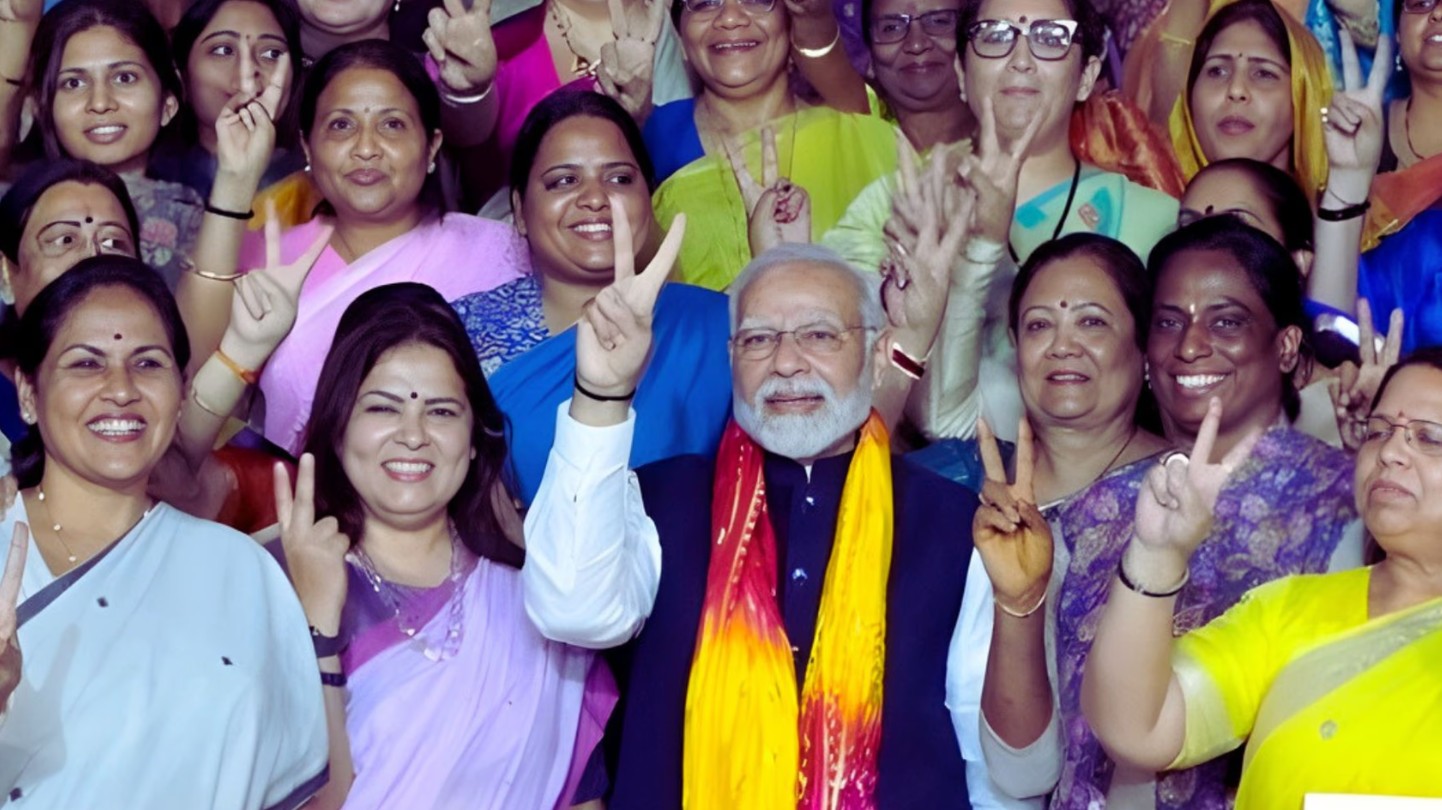

Narendra Modi has renewed the push for 33% reservation for women in legislative bodies, positioning it as a critical pillar in India’s journey toward becoming a developed nation by 2047.
Framing women’s participation as a structural necessity rather than symbolic inclusion, the Prime Minister emphasized that India’s growth ambitions cannot be realised without fully integrating “Nari Shakti”—the collective power of women—into governance and policymaking.
From Representation to Participation
While women today are increasingly visible across sectors such as science, entrepreneurship, sports, and administration, their representation in legislative bodies remains disproportionately low.
In the 17th Lok Sabha (2019–2024), women accounted for just 78 out of 543 members—approximately 14.3%. Representation in most state assemblies remains even lower, typically ranging between 8% and 12%.
A Long-Standing Policy Journey
The demand for women’s reservation in Parliament has evolved over decades:
- The 73rd Constitutional Amendment Act and 74th Constitutional Amendment Act mandated 33% reservation for women in Panchayati Raj Institutions and urban local bodies, transforming grassroots governance.
- The Women’s Reservation Bill was first introduced in 1996 and reintroduced multiple times (1998, 1999, 2008).
- It was passed in the Rajya Sabha in 2010 but lapsed without Lok Sabha approval.
The Nari Shakti Vandan Act
A major breakthrough came with the passage of the Nari Shakti Vandan Adhiniyam in 2023. The legislation proposes:
- 33% reservation for women in the Lok Sabha
- 33% reservation in state legislative assemblies
The current focus has shifted to implementation, with indications that the policy could be operational by the 2029 general elections.
Why Representation Matters
The push for reservation is increasingly being framed as a governance reform rather than a symbolic move. Evidence from local governance suggests that women-led institutions often prioritise:


- Drinking water and sanitation
- Education
- Healthcare
These priorities bring a more community-centric approach to policymaking, aligning with broader development goals.
Linking Gender Inclusion to India@2047
As India approaches 100 years of independence in 2047, the development narrative is shifting from pure economic growth to inclusive participation.
Women constitute nearly half of India’s population, yet their role in legislative decision-making remains limited. Bridging this gap is now seen as essential to building institutions that reflect the country’s demographic and social diversity.
The Road Ahead
With growing political consensus and renewed momentum, the coming years could mark a transition from intent to implementation.
If executed effectively, the 33% reservation could reshape India’s democratic framework—ensuring that its growth story is not only for its people, but equally shaped by them.