




IndyaStory | Tech Desk
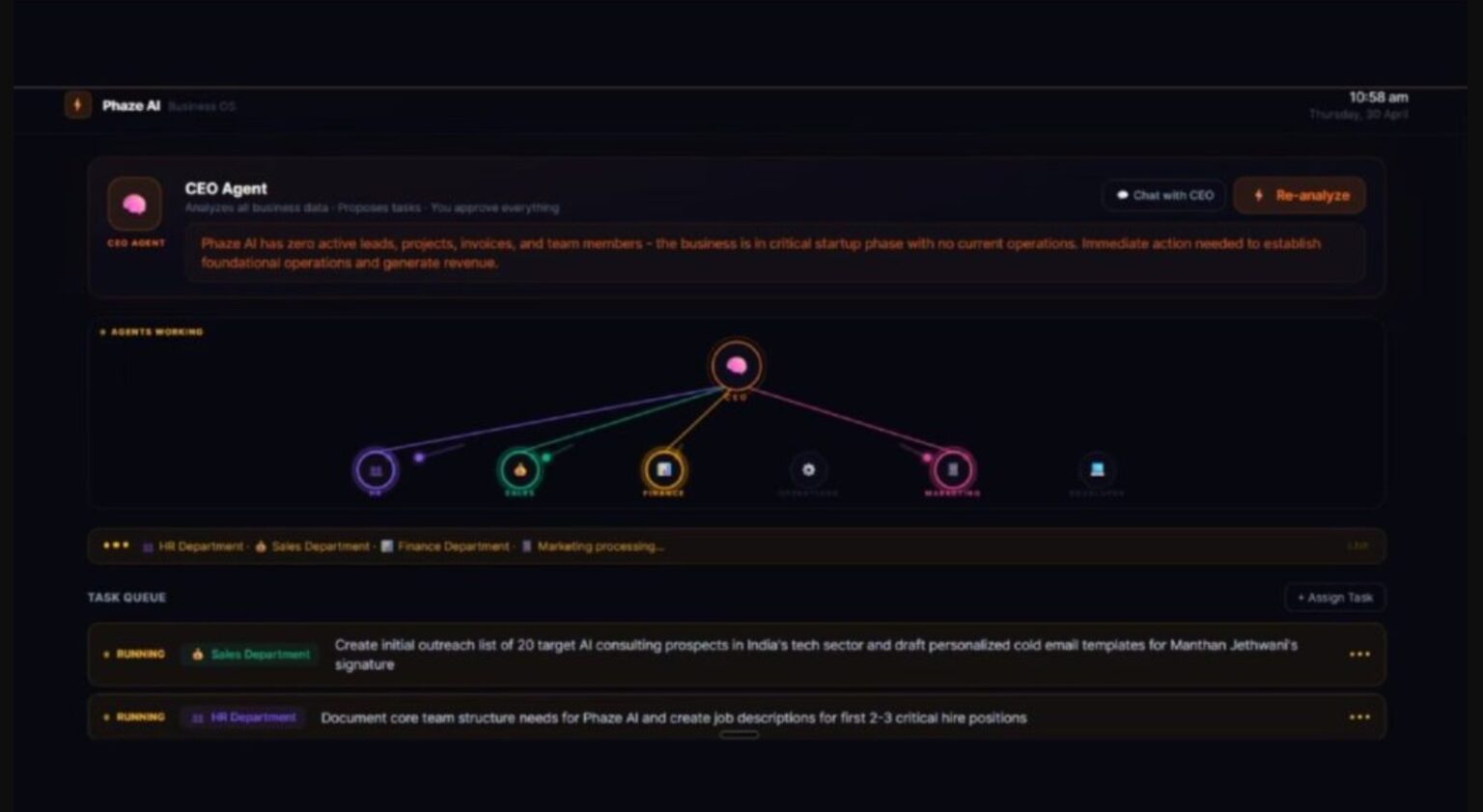
A founder has developed an AI-powered system that functions like a virtual CEO supported by seven specialised AI “employees,” aiming to streamline daily business operations through a single interface.
The system is designed as a central dashboard where the AI CEO reviews key aspects of a business each day, including leads, finances, team activity and content performance. Based on this analysis, it suggests priorities and next steps, enabling faster and more structured decision-making.
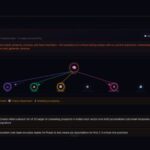
Connected to company data, meeting records and task systems, the AI CEO has a comprehensive view of operations. Supporting it are dedicated AI agents assigned to specific functions such as sales, marketing, human resources, finance and operations. Each agent performs its role independently but feeds insights back to the central system for evaluation.
A defining feature of the setup is controlled execution. While the system can analyse, recommend and prepare actions, final decisions require human approval. This “human-in-the-loop” approach ensures that critical business choices remain under direct oversight.
Productivity Shift
The impact on daily workflow has been significant. Tasks that typically required several hours — such as reviewing leads, planning content or tracking invoices — can now be consolidated into a brief, structured overview. This allows founders to reallocate time toward strategic work rather than routine management.
Each day begins with an automated briefing generated by the system. It highlights risks, identifies opportunities and outlines actionable steps. For instance, it may flag potential revenue loss from inactive leads or recommend content strategies based on recent performance data.
A Tool for Solo Entrepreneurs
The model is particularly relevant for solo founders and small teams. Managing multiple roles across sales, operations and customer engagement often leads to inefficiencies. By automating repetitive and analytical tasks, such systems enable individuals to operate with the efficiency of a larger organisation.



This approach also reduces the likelihood of oversight, as the system continuously monitors data and surfaces important insights. As a result, founders can focus on growth, relationships and creative decision-making.
Not a Replacement for Humans
Despite its capabilities, the system is not designed to replace human leadership. High-stakes decisions, client interactions and strategic direction still rely on human judgment. The AI supports these processes by handling analysis and execution at scale, but does not operate independently in critical areas.
Lower Barriers Ahead
Building such a system currently requires familiarity with APIs, databases and structured AI workflows. However, advancements in no-code and low-code tools are expected to make similar setups more accessible in the near future.
As AI orchestration platforms evolve, more businesses may adopt comparable models, integrating multiple AI agents into unified systems that enhance productivity without removing human control.