




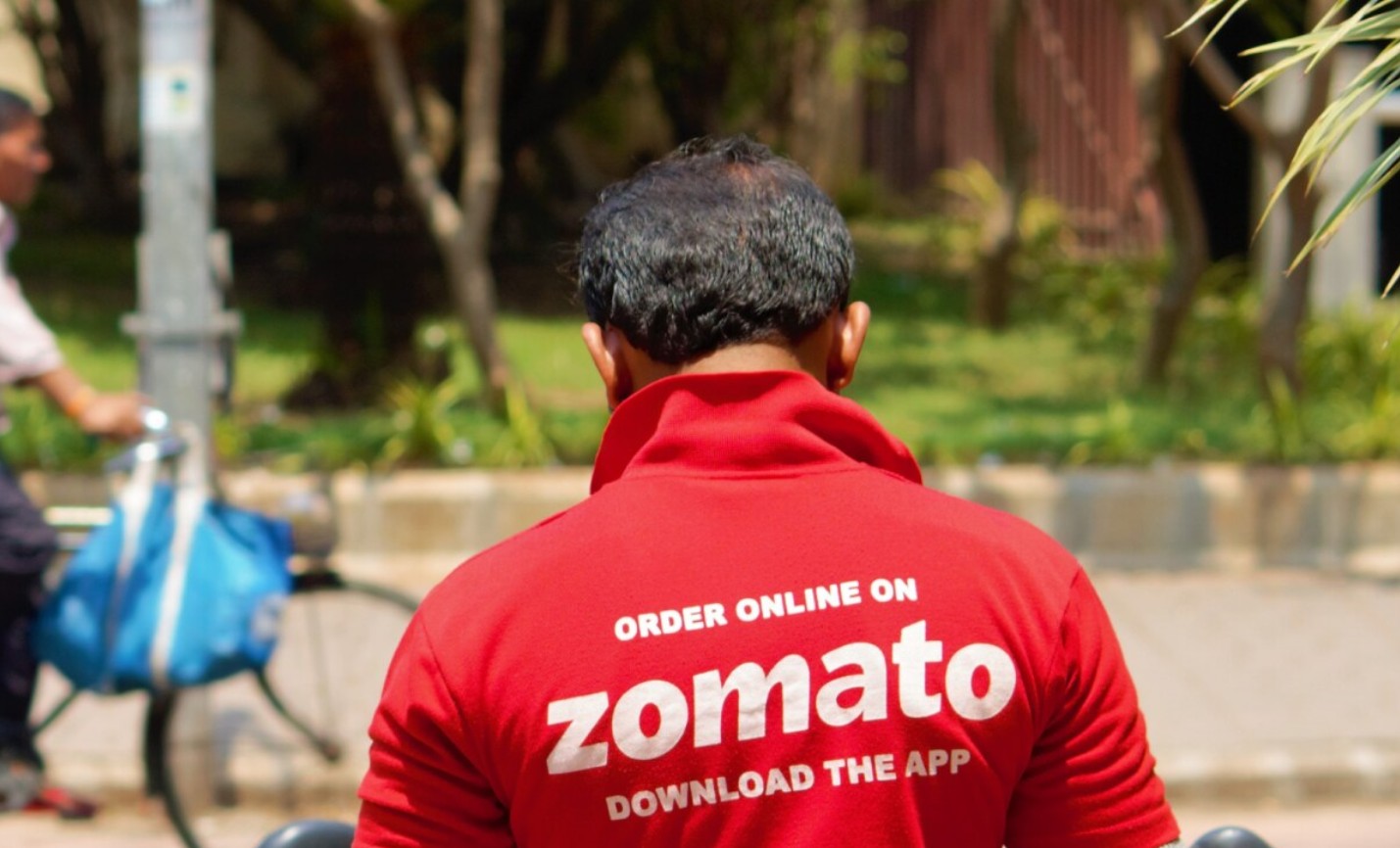

Food delivery platform Zomato has increased its platform fee by nearly 19%, raising it from ₹12.50 to ₹14.90 per order, as reflected on its app. The revision is expected to push up the overall cost of ordering food for users across India.
This marks the second fee hike in recent months, with the previous increase implemented in September 2025. The latest adjustment comes at a time when operational expenses—particularly fuel and energy costs—are rising sharply.
Rising Costs Driving the Increase
The decision is largely linked to increasing fuel prices, influenced by higher crude oil rates amid ongoing tensions in West Asia. As delivery logistics depend heavily on fuel, these cost pressures are being passed on to consumers through platform fees.
With delivery expenses expected to remain elevated, users may continue to see higher overall order bills in the near term.
Competitive Landscape Remains Tight
Zomato’s key competitor, Swiggy, currently charges a platform fee of around ₹14.99 (inclusive of GST), keeping pricing between the two major players closely aligned.
Meanwhile, magicpin, the third-largest player in the segment, has chosen not to raise its platform fee for now. The company currently charges approximately ₹14.20 per order.
Anshoo Sharma, CEO and Founder of magicpin, indicated that the company intends to maintain stable pricing to support both restaurant partners and customers during a challenging cost environment.
Business Structure and Growth Momentum
Zomato operates under its parent company Eternal, which also includes quick commerce platform Blinkit and B2B supply chain arm Hyperpure.
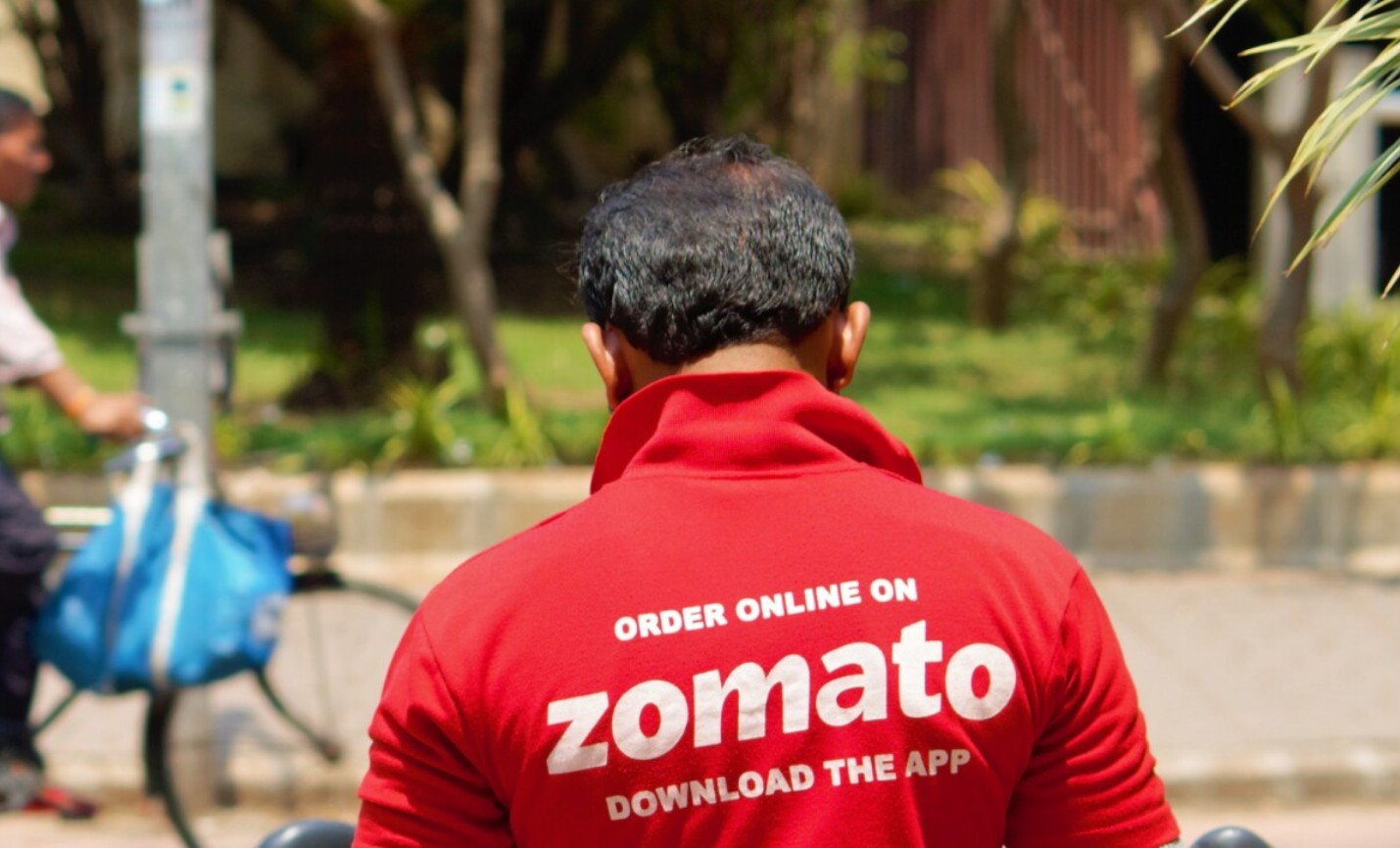

Both Blinkit and Hyperpure reported EBITDA-level profitability in the third quarter of FY26, reflecting improving operational efficiency across segments.
Strong Financial Performance
Eternal reported strong financial growth in the latest quarter. Adjusted revenue rose 64% year-on-year to ₹16,315 crore. On a sequential basis, revenue increased by 20% compared to ₹13,590 crore in the previous quarter.
At the consolidated level, the company’s business-to-consumer (B2C) segment saw net order value (NOV) climb to ₹25,732 crore, marking a 55% increase compared to the same period last year.
What It Means for Consumers
With platform fees inching upward and fuel costs remaining volatile, food delivery is gradually becoming more expensive. While competition among platforms continues, pricing strategies may evolve further depending on cost pressures and market dynamics.