





IndyaStory | Business Desk | 2026
Every startup eventually faces a defining question: Where should you sell your product?
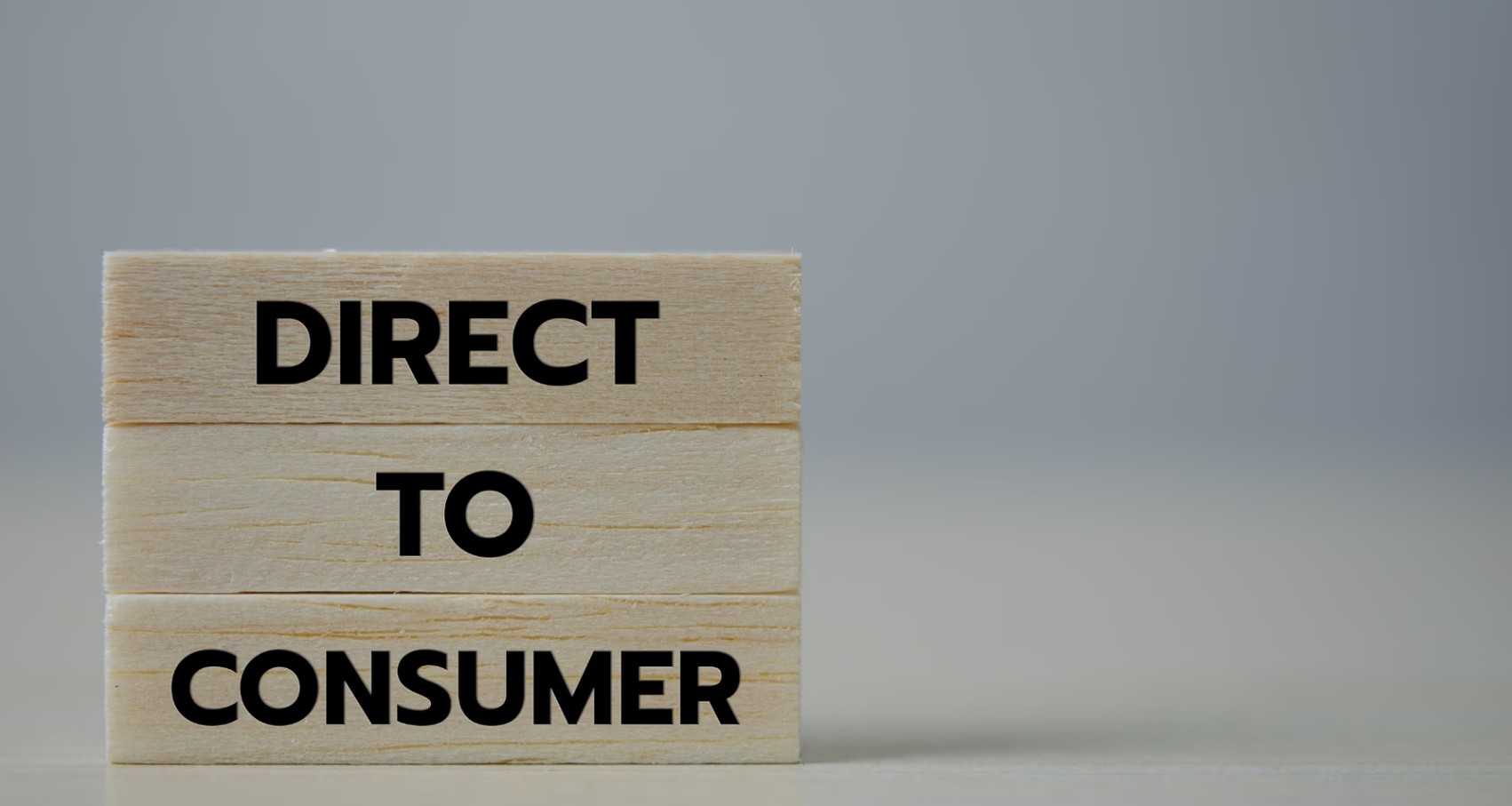
Should you build your own Direct-to-Consumer (D2C) channel or tap into large marketplaces?
In 2026, Indian founders are no longer treating this as a binary choice. Instead, they are combining both models to maximise growth, margins, and customer ownership.
Understanding the Two Models
D2C (Direct-to-Consumer)
D2C allows brands to sell directly through their own website, app, or social channels.
What you control:
- Pricing
- Customer experience
- Brand storytelling
- First-party customer data
Marketplace Model
Platforms like Amazon, Flipkart, and Myntra offer instant access to a massive customer base.
What you gain:
- Built-in traffic
- Logistics infrastructure
- Faster market entry
- Consumer trust
However, you are essentially renting the audience—not owning it.
The Real Trade-Offs
Most early-stage startups in India begin with marketplaces—and for good reason.
They provide:
- Immediate scale
- Faster validation
- Lower operational complexity
But this convenience comes at a cost.
Marketplace Challenges:
- Commission fees: Typically 15%–30%
- Ad spending: Required for visibility
- Limited customer data access
- Lower brand differentiation
Why D2C Is Gaining Ground
D2C flips the equation.
It offers:
- Higher margins
- Full ownership of customer data
- Stronger brand loyalty
With India’s Digital Personal Data Protection (DPDP) Act, owning customer data is now a serious strategic advantage.
Brands that control their customer journey can:
- Retarget effectively
- Improve retention
- Build long-term value
The Catch With D2C
D2C is not easy—especially in the early stages.
Key challenges:
- High customer acquisition costs (CAC)
- Slower initial growth
- Difficulty reaching Tier-2 and Tier-3 markets
- Need for logistics and fulfillment setup
The “growth at all costs” era is over. Investors now prioritise unit economics and sustainable growth.
What’s Actually Working in 2026
The answer is clear: Hybrid strategy.
Instead of choosing sides, founders are combining both approaches.
How the hybrid model works:
- Use marketplaces for discovery and scale
- Use D2C channels for retention and profitability
This approach allows brands to:
- Acquire customers efficiently
- Build long-term relationships
- Improve margins over time
A near-even split among Indian businesses adopting D2C and marketplace models reflects this shift toward balance—not indecision.
When to Choose What
Go Marketplace-First If:
- You are early-stage
- You need quick validation
- You want immediate revenue flow
Go D2C-First If:
- You operate in high-trust categories like:
- Wellness
- Fashion
- Baby care
- Home products
- Brand experience drives repeat purchases
Go Hybrid If:
- You already have traction
- You want to scale sustainably
- You aim to build a long-term brand
The Bigger Opportunity
India’s D2C market is projected to reach $300 billion by 2030, while marketplace ecosystems continue to expand rapidly with innovations like quick commerce.
This creates a massive opportunity—but only for founders who get their strategy right.
Final Take
D2C and marketplaces are not competitors—they are complementary tools.
- Marketplaces help customers find you
- D2C ensures they come back to you
If you are building a long-term brand with strong margins and loyal customers, your owned channel is not optional—it is foundational.
The smartest founders in 2026 are not asking “D2C or marketplace?”
They are asking “How do we use both strategically?”